In an engaging six minutes, Uncivil History gives the context surrounding the Pilgrims arrival on the shores of Turtle Island, while dispelling some of the common myths associated with Thanksgiving.

Curated topics for a disillusioned church

All of the curated shows on Sunday to Saturday. Visit our YouTube page for curated topical playlists.
In an engaging six minutes, Uncivil History gives the context surrounding the Pilgrims arrival on the shores of Turtle Island, while dispelling some of the common myths associated with Thanksgiving.

Since the 16th century when Jesuit priest Jose de Acosta created the theology of extraction giving a Christian rationale for exploiting indigenous people on land with valuable minerals we have been dealing with the affects of racialized geography. In a speech for Louisville Presbyterian Theological Seminary Dr. Willie Jennings discusses the way the rich and powerful manipulate the system to ensure that things stay the way they are. This applies to race too, the rich and powerful (mostly the dominant white culture in the United States) manipulate the system to ensure that property is divided up so the rich and powerful have their part of cities/towns/etc. and the not rich and powerful are kept out.

A short two minute explanation of what one theory of defunding the police means. This is the type of "defunding" that we can support.

A powerful personal narrative from Winfred Rembert who survived a lynching as a teenager. A must watch.

The founder and curator of the New Jim Crow museum, Dr. David Pilgrim, gives short history lessons as he walks viewers through his museum. One of the points that the museum attempts to get across (and does well) is the pervasive nature of the racist laws, caricatures, and violence against Black people across the United States. Well worth 23 minutes of your time. This is an excellent video for a history class or small group discussion.
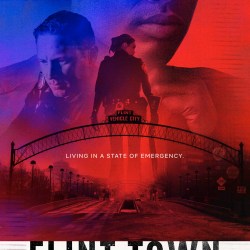
An intimate, engaging eight part series focusing on the Flint Police Department (Michigan) that shows the policing from all sides, the police, the public that supports them, the public that doesn't support them, the politicians that support them and don't support them, and everyone in-between. Flint Town shows the complexity of working for a police department in neighborhoods that are at high stress levels because of poverty, race, and, in Flint's case, water issues. It also shows the differences in officer's approaches to policing based on their ethnicity and where/how they grew up. This series is highly recommended.

Whew! This is an intense 23 minutes. Hats off the Emmanuel Acho and the Petaluma Police Department for talking with each other and role modeling what it takes to make change - sitting down together and asking and answering difficult questions.

Police officer Renee Mitchell tells a story where she had to choose between appeasing her superior by arresting an individual or letting the individual go and putting her career in jeopardy and how that decision cemented the idea that the way we police in America has to change.
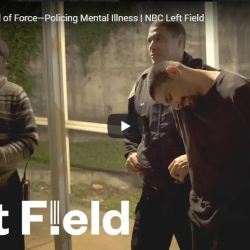
Conservatively speaking, one in ten police interactions involve a mentally ill person, but rarely are police trained to deal with a person having a mental illness crisis. A Different Kind of Force follows the San Antonino police mental health unit as they respond to mental health situations and strive to employ crisis intervention training despite not receiving enough funding and support.

A one-hour lecture on the history of discrimination against Asian people in America and how the model minority myth still exists and is used as a wedge between the Asian and Black communities.
 Sunday to Saturday
You must be logged in to post a comment.