



Recently Curated Content

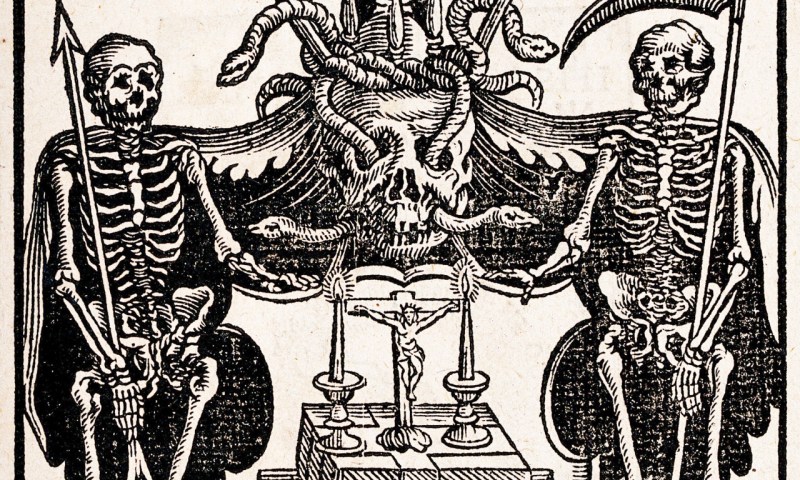
LEARNING CAPSULE: Halloween

Most Christians reject or accept Halloween without much thought. Those who don’t like the holiday assume satanic origins while those who like the holiday celebrate with no critical thought. Before deciding whether to celebrate or not, please take the time to learn about the complex history of the holiday and the many ways Christians can redeem it.

FIVE QUESTIONS: Halloween

In a nutshell, what are Halloween’s roots and origins? What is one reason to celebrate Halloween? What is one reason not to celebrate Halloween? Should Christians celebrate Halloween? What are some ways to redeem Halloween?

BOOK: The Faithful Spy

John Hendrix’s The Faithful Spy is an engrossing and visually arresting account of Dietrich Bonhoeffer—a German pastor whose fierce moral clarity led him into the heart of a conspiracy to resist, and ultimately assassinate, Adolf Hitler.

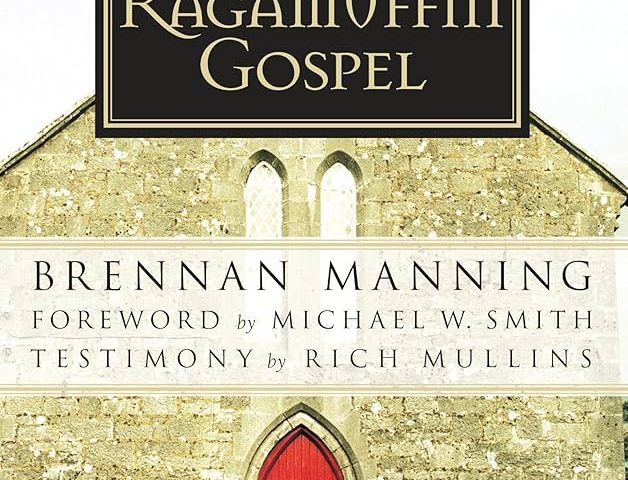
BOOK: The Ragamuffin Gospel

The Ragamuffin Gospel is not so much a theological treatise as it is a wake-up call—one delivered gently but insistently to the soul that keeps trying to earn what Christ has already given. Manning’s premise is simple: most Christians do not actually believe in the incomprehensible, unearnable grace of God. We nod politely at grace in our Sunday best, but spend the rest of the week anxiously polishing our halos.

Quotes

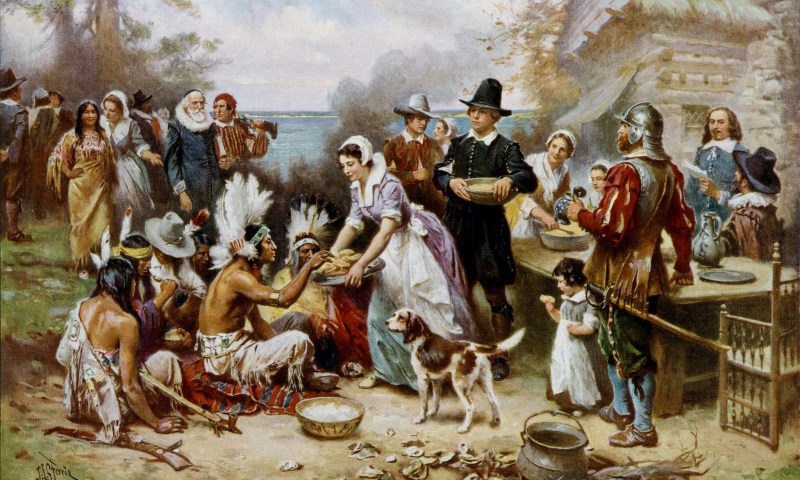
"Jesus sought to challenge and change Israel's expectations.  He was conceived by the Holy Spirit but out of wedlock.  He was born in Bethlehem but in the humblest of environments.  His arrival was announced by angels but to a bunch of shepherds.  He lived in Egypt as a refugee.  He grew up in an insignificant backwater town called Nazareth.  Jesus did everything he could to enter into the world in a way that communicated that while he was indeed the Messiah, he did not come in power to militarily or politically overthrow their Roman oppressors and establish another earthly kingdom.  But changing those expectations was one of the biggest difficulties that Jesus faced throughout his earthly ministry."

Mark Charles, Navajo author

“There is divine beauty in learning...To learn means to accept the postulate that life did not begin at my birth. Others have been here before me, and I walk in their footsteps. The books I have read were composed by generations of fathers and sons, mothers and daughters, teachers and disciples. I am the sum total of their experiences, their quests. And so are you.”

Elie Wiesel, author

“People need to be taught how to live as part of a body, how to understand and live out our roles as a member of a church, citizen of a nation, and resident of a community. In our self-centered, narcissistic, individuaistic, expressionist age, we are incompetent in the arts of living together.  We may be naturally social and political animals, but we still have to acquire the cultivated virtues of citizens. Churches must help form us into better political animals.”

Paul D. Miller, American author

“The doctrine of the imago Dei, that human beings are created in the “image and likeness of God,” is central to Christian life and practice and touches, perhaps even helps to form, every other doctrine of the Christian faith in one way or another.”

Lucy Peppiatt, author and theologian

"History and Scripture teaches us that there can be no reconciliation without repentance. There can be no repentance without confession. And there can be no confession without truth."

Jemar Tisby, historian/American author