A basic primer on amillennialism.

Curated topics for a disillusioned church

A basic primer on amillennialism.
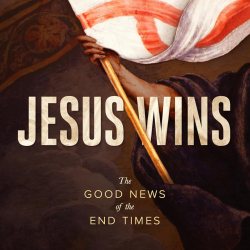
In Jesus Wins, pastor Dayton Hartman makes his position clear from the outset: speculative discussions about the end times rarely offer any value and should never become a point of division. He emphasizes that as long as believers adhere to the foundational doctrines expressed in the Apostles' and Nicene Creeds, their specific views on eschatology (the study of the end times) should not fracture the church's unity.
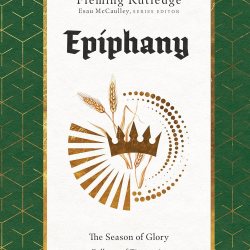
Most Christians are familiar with the liturgical seasons of Advent, Christmas, and Lent while fewer are acquainted with Epiphany. In Epiphany - The Season of Glory Episcopal priest Fleming Rutledge simply, compellingly, and theologically explores the significance of the Epiphany season by highlighting and revering the divine glory of God before exploring the four themes of the season.

In many parts of the world it is effortless to get lost in the consumerism and busyness of Christmas. As a result, some people looking for deeper meaning cynically reject the celebration of Christmas. In Christmas: The Season of Life and Light Anglican priest Emily Hunter McGowin says not so fast as she frames Christmas within the church's liturgical calendar while celebrating and exploring ways the holiday's traditions such as gift-giving and decorations can point us towards the story of Jesus.
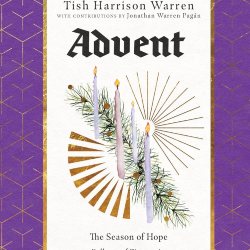
From chocolate to Lego and everything in between Advent calendars begin filling store shelves come November. This often consumeristic celebration of Advent divorced from its 4th-century roots neglects the heavier themes of waiting, hope, darkness, light, repentance, rest, emptiness, and filling. In a world that equates December with yuletide debauchery and commercial frenzy, Tish Harrison Warren masterfully reclaims Advent as a season not of escapism, but of honest reflection and holy longing. This is no glittering holiday self-help book; it’s a profound invitation to slow down, repent, and live in the aching beauty of the "now and not yet."

In Neil Postman's Amusing Ourselves to Death, the author delves into the ways in which television and other forms of visual media have transformed public discourse, diminishing the role of the written word and fostering a culture where entertainment prevails over serious intellectual engagement. Postman begins with a provocative question: “Is it really plausible that this book about how TV is turning all public life (education, religion, politics, journalism) into entertainment... Can such a book possibly have relevance to you and The World of 2006 and beyond?” This question sets the stage for an exploration of how media shapes not just the content but the very nature of communication in society.
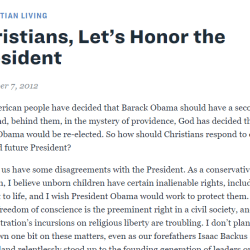
While this was penned in 2012 after President Obama was re-elected, just cross out Obama and put Trump or Biden or whoever our next president is and the truth still rings out. Yes, we are commanded in the Bible to honor our leaders. Yes, we should pray for them. And yes, we should continue to advocate for justice with respect and humility.

A collection of online discussions and prayer calls following the 2024 election.

Various resources to help guide you while voting.

Pastor Brian Zahnd of Word of Life (Saint Joseph, Missouri) offers a ten-point guide encouraging Christians to approach politics with humility, love, and civility. Zahnd stresses that while political engagement is important, it should not overshadow the core Christian values of love and unity.


You must be logged in to post a comment.